April 8, 2026
Choosing the right decking material is a crucial decision for homeowners looking to enhance their outdoor spaces. Working with experienced deck builders early in the process can also help clarify your options and align your vision with practical outcomes. Understanding the differences between composite and wood decks is essential, considering the investment and impact on your home environment. Homeowners want a deck that complements their home while meeting their functional needs. By the end of this guide, you'll have a clear understanding of which material could be most suitable for your outdoor living space.
Cost Considerations
Initial Cost of Materials
One of the primary considerations when selecting decking material is the initial cost. Wood decking tends to be less expensive initially compared to composite decking. However, this can vary significantly depending on the type of wood, with exotic hardwoods being quite pricey. Composite materials, although initially more expensive, often come with advantages that balance their cost over time. Many deck builders recommend weighing these upfront costs against durability and long-term savings from reduced maintenance.
The financial outlay for composite decking is higher because these materials are often designed with enhanced features like weather resistance and reduced maintenance.
These features may offer savings in the long run, potentially saving homeowners from future maintenance costs. It's essential to evaluate not just the material costs, but also how these costs will play out over the lifespan of the deck. Investing more initially in composite may result in lower lifetime costs due to less frequent repairs and replacements. Homeowners should consider their budget not just in the present, but over the life of their deck, often with input from trusted deck builders.
When considering costs, homeowners should also think about installation expenses. Professional installation and DIY installation both come with varying costs and challenges. While a DIY approach with wood can be straightforward for those with carpentry skills, professional installation for composite decking may require specialized techniques. These installation dynamics influence not just the total cost, but also the time and effort involved. Consulting deck builders can help determine the right balance between material cost and installation complexity, saving money and reducing stress during the building process.
Long-term Value
The long-term value of decking materials is another critical factor to consider. Wood decks can add significant value to a home, particularly if made from high-quality materials. However, they also require regular maintenance to retain their aesthetic appeal and structural integrity. In contrast, composite decking offers durability and longevity that can enhance a property's value over time. Many deck builders emphasize evaluating return on investment when selecting materials.
Composite materials tend to justify their higher initial cost by offering lower maintenance requirements and longer lifespans. Homeowners may find that composite decks improve their home's resale value by presenting a low-maintenance, high-quality addition to the property. Additionally, the choice between wood and composite can impact the overall look and feel of the home, contributing to its attractiveness to potential buyers. This consideration is particularly important for those who plan to sell their property eventually. Long-term value is not just about money saved, but also about enhancing curb appeal and attracting future buyers, something experienced deck builders often highlight.
Homeowners should consider their personal expectations and long-term plans when evaluating these options. For those planning to occupy their homes for many years, the maintenance savings offered by composite decking can be particularly appealing. Conversely, those considering selling may prioritize the immediate visual appeal and traditional aesthetics of wood decking. Each type of material presents unique opportunities to enhance both the functionality and financial value of a home. The right choice will align closely with the homeowner's overarching goals and lifestyle, often with guidance from knowledgeable deck builders.
Installation Expenses
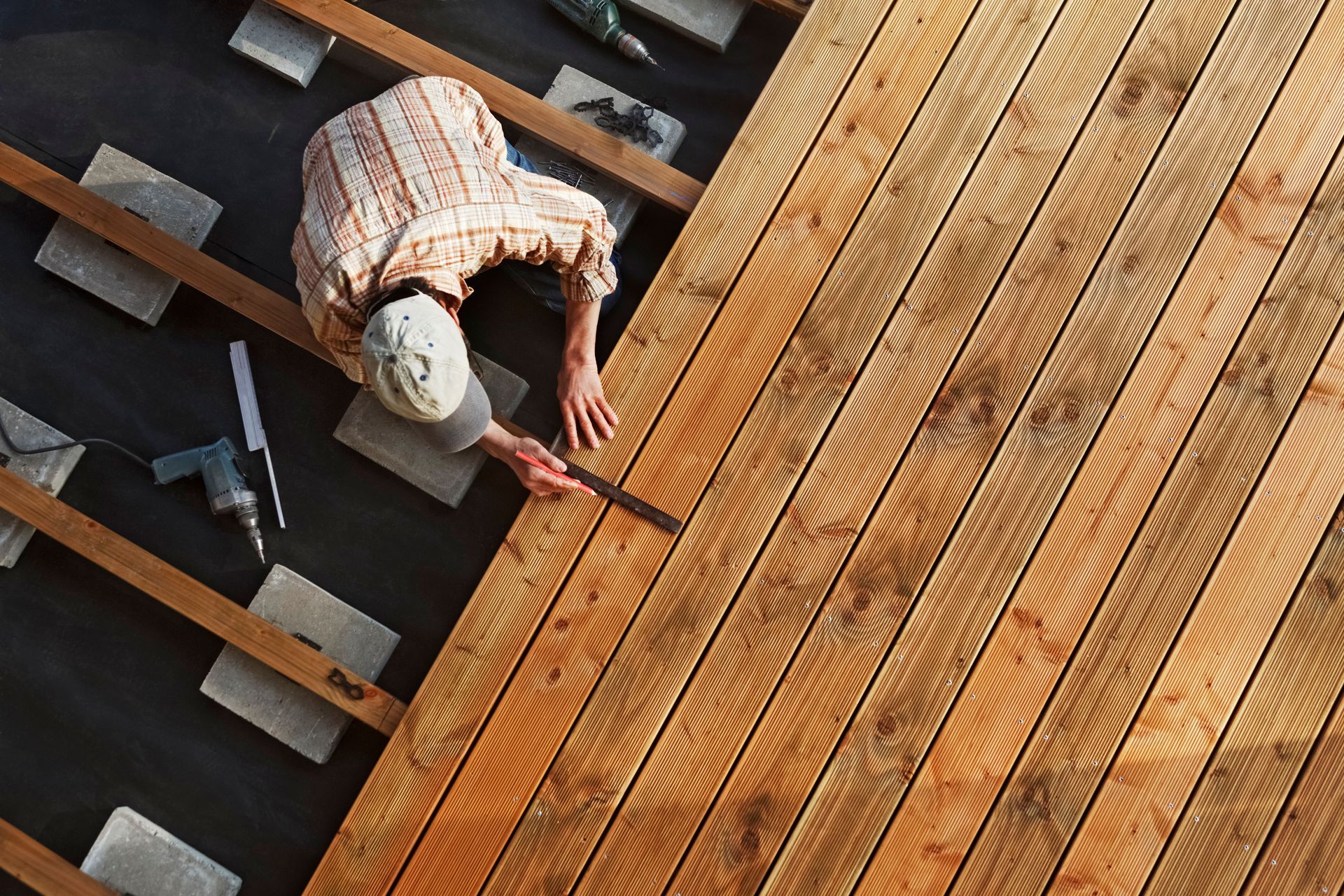
Installation expenses are a significant part of the total cost of a new deck. Professional installation costs can vary widely, affecting the total expenditure regardless of the decking material. While wood decking installation may appear straightforward, employing professionals ensures structural stability and compliance with building codes. Composite decking often requires specialized tools and knowledge, making professional installation a common choice. Many deck builders recommend weighing DIY installation against professional services when calculating total costs.
Many homeowners opt for professional installation to ensure quality and longevity. This choice is often driven by a lack of expertise in complex installations or a preference for a hassle-free experience. According to IBISWorld, the U.S. alone hosts over 6,000 deck and patio construction businesses, reflecting the availability of professional services. Skilled deck builders can significantly enhance the likelihood of achieving long-lasting and durable construction. Furthermore, professional services might offer warranties or maintenance packages, adding long-term value to the installation.
DIY installation can be an exciting project for those who possess the necessary skills and tools. It allows for flexibility, personalization, and potentially lower costs. However, DIY installations can present hidden expenses in terms of time and resources if not tackled with careful planning. Homeowners must evaluate the complexity of their project and their ability to fulfill it effectively against the potential savings. Even in DIY scenarios, consulting with deck builders can provide helpful insights to support informed decision-making.
Aesthetics and Style
Traditional vs. Modern Appearance
Aesthetics play a major role in choosing decking materials, impacting the overall appearance of the outdoor space. Traditional wood decking offers a classic, natural look that many homeowners cherish for its timeless appeal. On the other hand, composite decking often features sleek, modern designs that appeal to those seeking contemporary aesthetics. The choice ultimately depends on personal preference and how the decking complements the existing style of the home. Many deck builders work closely with homeowners to match these visual goals with practical materials.
The traditional aesthetic appeal of wood is irreplaceable for many, embedding a sense of warmth and classic elegance into exterior designs. Natural wood grains and tones offer unique beauty, varying from rustic to refined, that composite materials strive to emulate. However, modern composite options have evolved significantly, offering refined elegance that appeals to minimalistic or modern design preferences. The decision between wood and composite often reflects broader design goals and influences the outdoor space ambiance. Personal style and property architecture both play pivotal roles in this selection process, often guided by experienced deck builders.
Incorporating personal taste and home style into the decision-making process enhances the satisfaction and longevity of the choice. Choosing a material that resonates with personal design preferences ensures that the deck enhances rather than detracts from the property's overall appeal. Balancing traditional charm with modern innovations allows for uniquely tailored outdoor spaces. Engaging with designers or deck builders can provide additional insights and recommendations to align material choices with home aesthetics. This proactive approach integrates personal and architectural elegance into outdoor design endeavors.
Color and Finish Options
Color and finish options offer exciting opportunities for personalization in decking choices. Wood decking traditionally offers rich, natural tones that can be stained or painted to match design preferences. Composite materials, however, come in a wide range of colors and finishes that do not fade easily over time. Both provide opportunities to tailor a space to specific aesthetic preferences and complement existing property features. Selecting the right color and finish can significantly impact the visual harmony and charm of a deck, something many deck builders emphasize during planning.
The inherent nature of wood allows for creative customization through painting or staining, offering versatility in visual outcomes. Over time, wood will require refinishing to maintain its vibrant color and protect against weather elements. Composite options, designed with colorfast technology, offer enduring color integrity without the need for ongoing refinishing. This makes them an attractive choice for those seeking low-maintenance aesthetics. The extensive color palette in composite choices supports diverse design aspirations and complements varying architectural styles, often with recommendations from deck builders.
In the end, there is no one-size-fits-all answer—only the option that best suits your needs, budget, and long-term goals. By understanding the differences between composite and wood decking, you can make a confident and informed decision that supports both your home's value and your everyday enjoyment. A well-chosen deck, especially when built with the help of skilled deck builders, can serve as a lasting investment, providing comfort, style, and functionality for years to come. Give High Caliber Decks a call today for help with all your deck-building needs.